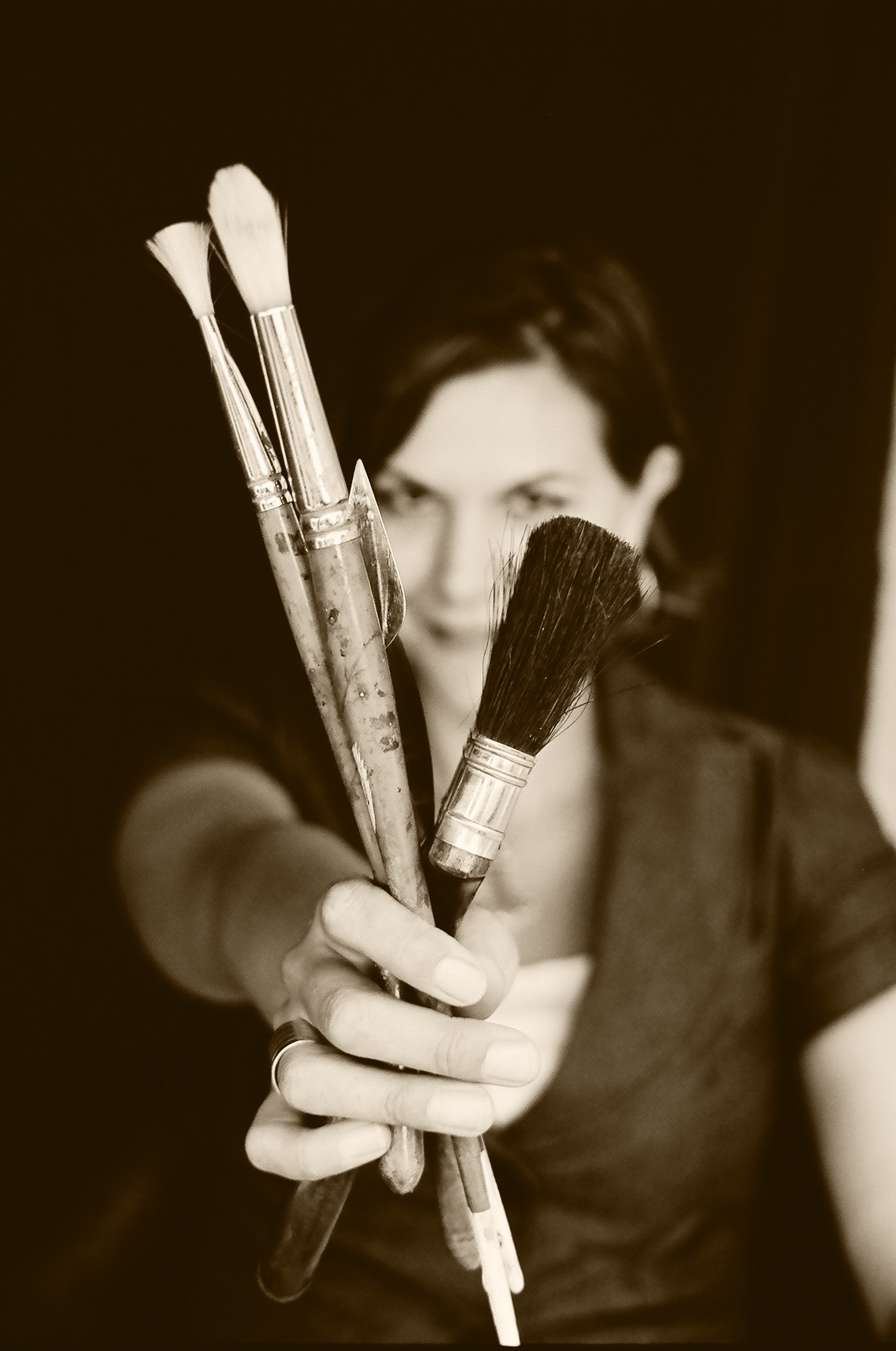

There’s something profoundly human about picking up a brush and letting color and form pour out into space. Beyond beautiful paintings, art has a transformative effect on our minds, emotions, and well-being, and that impact is backed by science. Whether you’re facing stress, creative block, or just craving connection with yourself, making art heals in ways we often underestimate.
Why Art Making Matters for Your Well-Being
Art isn’t just pretty pictures. When we engage in creative expression, something deeper shifts—both psychologically and neurologically. Research continues to reveal the powerful ways that art-making reshapes our brains, regulates our emotions, and cultivates resilience in the face of life’s challenges.
1. Art Helps Manage Stress & Anxiety
When you’re absorbed in the creative process—choosing colors, responding to marks on the canvas, or intuitively layering shapes—your brain enters a state similar to meditation. Research shows that art making can reduce stress and give your nervous system a break from constant worry and rumination.
A groundbreaking study from Drexel University’s College of Nursing and Health Professions found that 75 percent of participants experienced lowered cortisol levels after just 45 minutes of art-making. Cortisol is your body’s primary stress hormone, and elevated levels are linked to anxiety, inflammation, and a host of health issues. What’s remarkable about this research is that the stress-reducing benefits occurred regardless of artistic skill level or prior experience—meaning you don’t need to be “good at art” to reap the rewards.
This isn’t just about feeling calmer in the moment. Regular engagement with creative activities can help retrain your nervous system’s response to stress over time, building what researchers call “stress resilience.” When you practice entering a focused, creative state, you’re essentially teaching your body that it’s safe to relax, even when challenges arise.
2. Creative Expression Helps You Understand Yourself
Sometimes words aren’t enough, or they feel too risky. Art gives you a nonverbal pathway to explore inner feelings, especially those that are complex or hard to say out loud. That’s why art therapy is used professionally: it invites self-reflection and insight without requiring verbal articulation.
Research on art therapy demonstrates that creating art involves expression and processing of thoughts, emotions, and ideas through imagery into concrete visual form, allowing new insights into the self, others, thoughts, feelings, and situations. When you work with metaphors and symbols in your art—whether you’re consciously aware of it or not—you’re accessing deeper layers of understanding that might remain hidden in everyday conversation.
The tactile, sensory quality of art materials also plays a crucial role. The feel of paint spreading across canvas, the resistance of clay under your hands, or the glide of a marker on paper engages your body in the process of emotional exploration. This multisensory engagement can help bridge the gap between what we feel and what we can express, creating a pathway for processing experiences that might otherwise remain stuck or unprocessed.
For many people, art becomes a safe container for exploring difficult emotions—grief, anger, confusion, or fear—without becoming overwhelmed by them. The creative process allows you to externalize internal states, giving you some distance and perspective. You can look at what you’ve created and gain insights that surprise you, recognizing patterns or feelings you didn’t know were there.
3. Painting Builds Emotional Resilience
Engaging with material, color, movement, and abstraction teaches tolerance for uncertainty and experimentation—exactly the kinds of skills that help us face life’s ups and downs. Art helps build emotional flexibility and confidence just by showing up and trying.
Neuroscience research shows that creativity training and artistic engagement result in neuroplastic changes—actual physical changes in brain organization, activity, and connectivity in frontal, emotional, and sensory circuits. Neuroplasticity is your brain’s remarkable ability to reorganize and form new neural connections throughout your life. Every time you engage in creative practice, you’re literally rewiring your brain, strengthening pathways that support emotional regulation, problem-solving, and adaptive thinking.
This is particularly significant for people who have experienced trauma or struggle with conditions like depression or anxiety. These conditions are often associated with dysfunctional patterns in the brain’s prefrontal circuits—the areas responsible for cognition, emotion, and memory. Creative engagement offers a unique pathway to help restore more adaptive functioning in these circuits.
Each time you work through a challenging passage in a painting and find your way to resolution, you’re building what psychologists call “self-efficacy”—the belief in your ability to influence outcomes through your actions. This sense of agency is fundamental to emotional resilience and overall well-being.
4. Art Fosters Joy, Flow, and Presence
When you’re in the rhythm of mark-making, especially abstract art, there’s a shift from self-criticism to flow. That immersive, timeless space where the inner critic quiets and curiosity rises. This isn’t just enjoyable—it’s healing.
Psychologist Mihály Csíkszentmihályi developed the concept of “flow”—a psychological state of optimal attention and engagement where people become completely absorbed in what they’re doing. Flow is characterized by intense focus, a sense of timelessness, loss of self-consciousness, and deep enjoyment of the activity itself. Research has empirically linked the flow experience to enhanced creativity and improved well-being, making it highly relevant to both art-making and therapeutic practice.
During flow states, your prefrontal cortex—the part of your brain associated with self-monitoring and critical judgment—actually quiets down. This neurological shift allows you to work more intuitively and freely, accessing creative solutions without the interference of your inner critic. Many artists describe this experience as the painting “painting itself” or feeling like a conduit for something larger.
The conditions for flow align beautifully with artistic practice: you need a balance between challenge and skill (not so easy it’s boring, not so hard it’s frustrating), clear goals (even if they’re simply to explore color relationships), and immediate feedback (which the canvas provides with every mark). When these elements come together, you enter a state that feels almost magical—time disappears, worries fade, and you’re completely present with the creative process.
Regular experiences of flow also build what researchers call “autotelic personality”—the capacity to find intrinsic reward in activities themselves, rather than requiring external validation. This shift from external to internal motivation can be deeply liberating, freeing you from the constant need for approval and allowing you to engage with creative work (and life) from a place of genuine curiosity and joy.
.
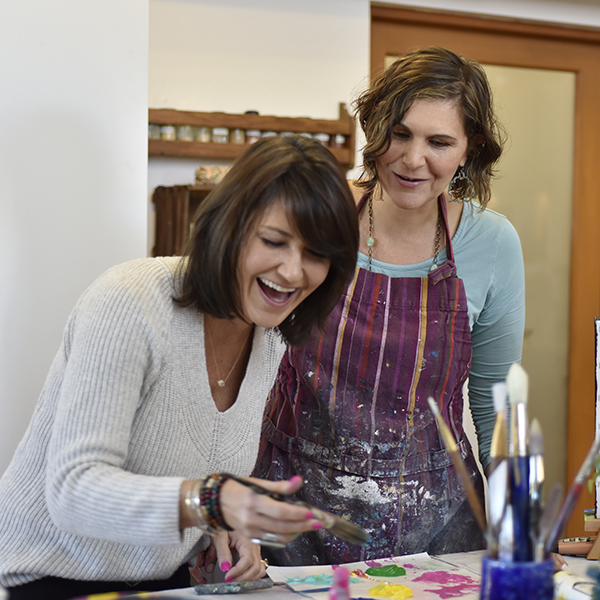
Your Creative Healing Starts with Simple Play
You don’t need perfect skills (or even a final masterpiece!). The act of doing is where the healing happens. It’s about showing up with curiosity, allowing mistakes, and letting your body and intuition guide the marks.
This is the heart of why we created resources like Break Free & Breathe: A Type A Guide to Artistic Play.
A free creative guide designed to help you loosen up, face your inner critic, and play with paint in a way that feels freeing and restorative. If perfectionism has ever chilled your creativity, this guide is your first step toward releasing that pressure.
👉 Grab your free guide here
Art play isn’t about the finished art. It’s about what it does for your inner world.
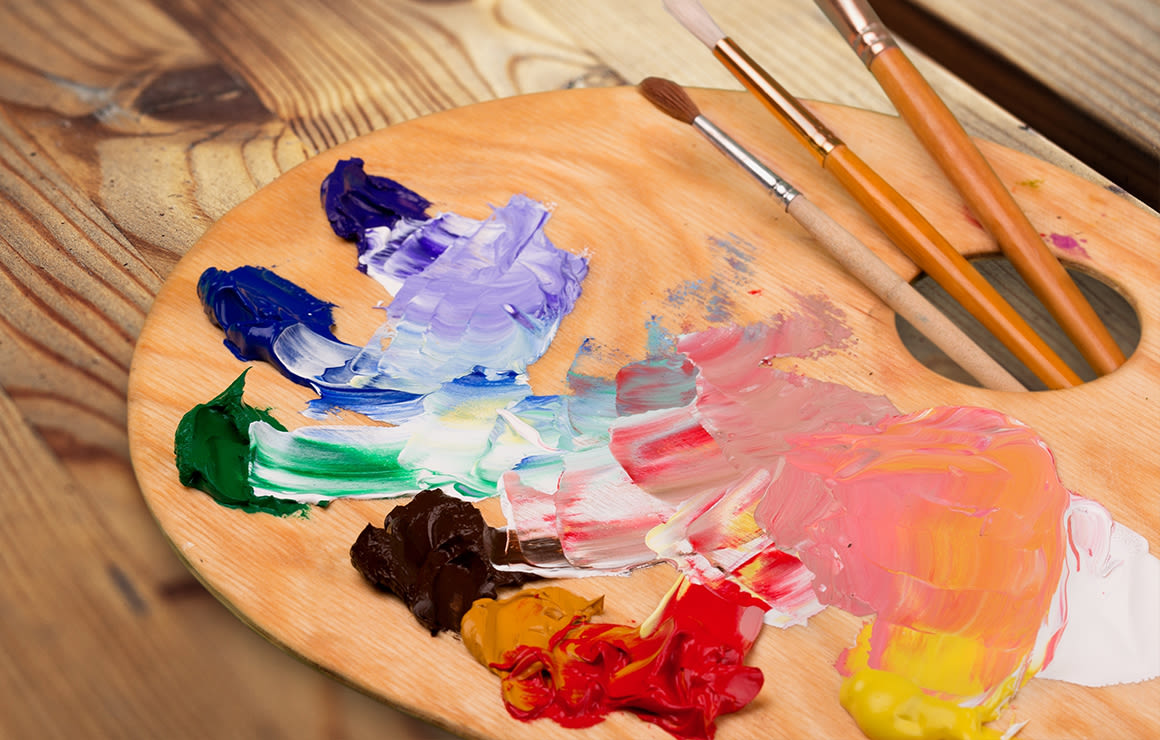
Transform Through a Shared Creative Experience
Sometimes healing happens not just in solitude, but through shared practice and community. That’s why my signature painting experiences are designed to be both expressive and supportive.
🎨 Abstract Challenge: Liberate Your Landscapes in 4 Days
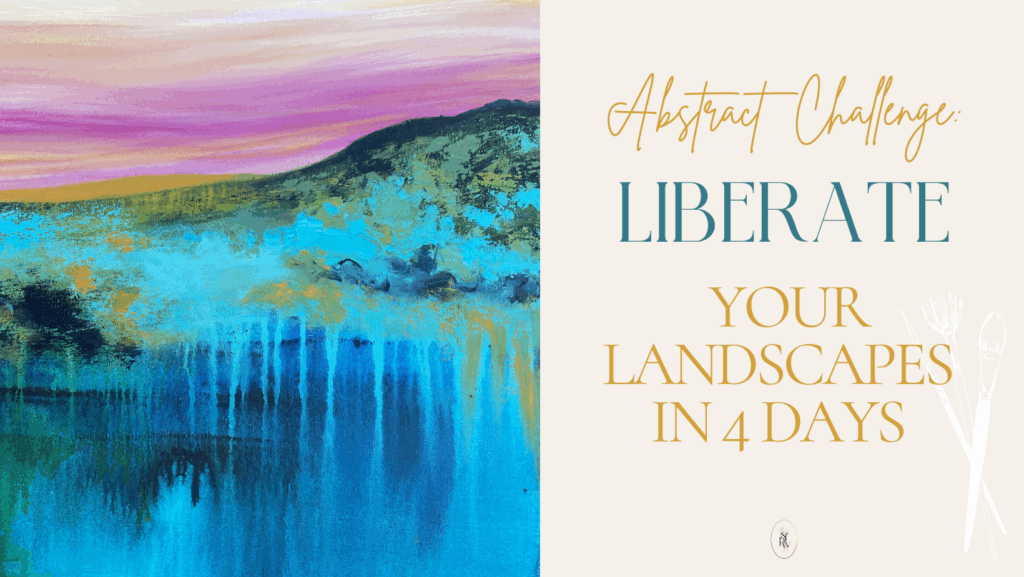
Sometimes healing happens not just in solitude, but through shared practice and community. The research on flow, neuroplasticity, and emotional regulation becomes even more powerful when experienced within a supportive group environment where you can witness others’ creative journeys while pursuing your own.
That’s why my signature painting experiences are designed to be both expressive and supportive, combining the science-backed benefits of creative engagement with the power of community.
🎨 Abstract Challenge: Liberate Your Landscapes in 4 Days
If you’re ready to deepen your creative confidence, try a guided journey that combines technique, intuition, and expressive freedom—all in a short, supportive format. You’ll learn how to:
✔ Build your abstract landscape step by step
✔ Move beyond “rules” and into artistic freedom
✔ Connect with other artists on the same journey
✔ Experience the flow state and its healing benefits
✔ Develop emotional resilience through creative practice
👉 Click here to learn more and sign up
This challenge invites you to paint with intention and joy, and many participants find that it not only expands their artistic skills but also cultivates resilience, playfulness, and creative flow. You’ll be applying the very principles that neuroscience research has identified as transformative—engaging multiple brain regions, strengthening neural pathways associated with emotional regulation, and experiencing the deep satisfaction that comes from creative absorption.
Creative Healing Isn’t a Luxury—It’s Necessary
Every brushstroke is a conversation between your inner world and the outer world. What emerges isn’t just color and shape—it’s insight, release, and emotional nourishment. Whether you’re new to art or you return to it again and again, each session with your materials can help you reconnect with your inner voice and your innate capacity to heal.
In a world that often prioritizes productivity over presence, achievement over exploration, and perfection over process, art-making offers a radical alternative. It asks you to slow down, pay attention, and value the journey rather than the destination. It invites you to trust your intuition, embrace uncertainty, and find joy in the act of creation itself.
The science validates what artists have always known intuitively: making art changes us. It restructures our brains, calms our nervous systems, helps us process complex emotions, and connects us to something larger than ourselves. These aren’t peripheral benefits—they’re fundamental to human well-being and flourishing.
So whether you’re managing stress, seeking self-understanding, building resilience, or simply craving more moments of flow and presence in your life, know that art-making offers all of this and more. You don’t need permission, exceptional talent, or expensive materials. You just need the willingness to show up, make marks, and trust the process.
Your creative healing is waiting. All you have to do is pick up that brush.
ABOUT ANDREA CERMANSKI
I am an artist out of Santa Fe, New Mexico who has been painting for almost 30 years. I love to teach first-timers as well as experienced painters who need a creative reboot. My work has been displayed in several galleries around the country, and I have a Bachelor’s in Art History, a Master’s in Art Education, and had my work in a show juried by Judy Chicago. The idea of getting more people painting makes me light up as I want to inspire more people to express their creative selves and tap into a place of joy and calm.
WANT TO LEARN MORE?
- Subscribe and get one of the FREEBIES below!
- Ebook on How to Move From Representational Painting to Abstraction: 5 Transformative Art Lessons
- PDF explaining How to Use My 5 Favorite Mediums
- Break Free and Breathe: Type-A Guide to Artistic Play. Powerful exercises to loosen you up to create better abstracts.
- Check out My Online Abstract Painting Course
- Read More Painting Tips Blog Posts
- Check out My Paintings & Art Prints for Sale
- Follow Me On YouTube, Instagram, or Pinterest